
Last Updated: September 21, 2026
Working with a licensed electrical contractor protects your home's safety and ensures compliance with local codes. You're investing in expertise and protection against dangerous shortcuts that could damage your property or endanger your family.
Licensed electrical contractors have completed formal training, apprenticeships, and rigorous testing. They understand the National Electrical Code (NEC) standards and carry insurance and bonding, meaning you have recourse if something goes wrong. An unlicensed electrician might seem cheaper upfront, but one mistake, a fire, shock hazard, or system failure, costs far more than the original job.
Verifying credentials before hiring is essential.
Before signing a contract, verify your contractor is licensed through Idaho's Division of Building Safety. Checking credentials takes minutes, but knowing what to look for matters most.
Start by visiting the Idaho Division of Building Safety website, where you can search for licensed contractors by name or license number. When you find them, pay attention to their license classification:
For residential work, a Residential Contractor License or Journeyman/Master Electrician License are both legitimate. Ensure the license is current and matches the work you're hiring them to do.
Ask for proof of insurance and bonding in writing. Liability insurance protects you if the contractor damages your home; bonding protects you if work is incomplete or doesn't meet code. Request policy numbers and verify they're active, don't accept verbal assurance.
Ask for references from residential jobs completed in the last 12 months and call at least two. Ask about timeliness, cleanup, communication, and any issues since completion. Hesitation to provide references is a warning sign.
Check for complaints with the Division of Building Safety or Better Business Bureau. Unresolved complaints or a pattern of issues warrant caution.
Understanding common code violations helps you spot problems during inspections. Many older homes in Southeast Idaho have systems that don't meet current code standards.
Improper grounding and bonding is frequent. Older homes may have two-prong outlets instead of three-prong grounded outlets, or lack proper grounding in bathrooms and kitchens. Modern code requires GFCI (ground fault circuit interrupter) protection in wet areas to prevent shock.
Inadequate circuit capacity is common in homes built in the 1970s and 1980s. When your breaker trips running AC and a microwave together, your panel lacks capacity. Code requires adequate amperage for modern household demand.
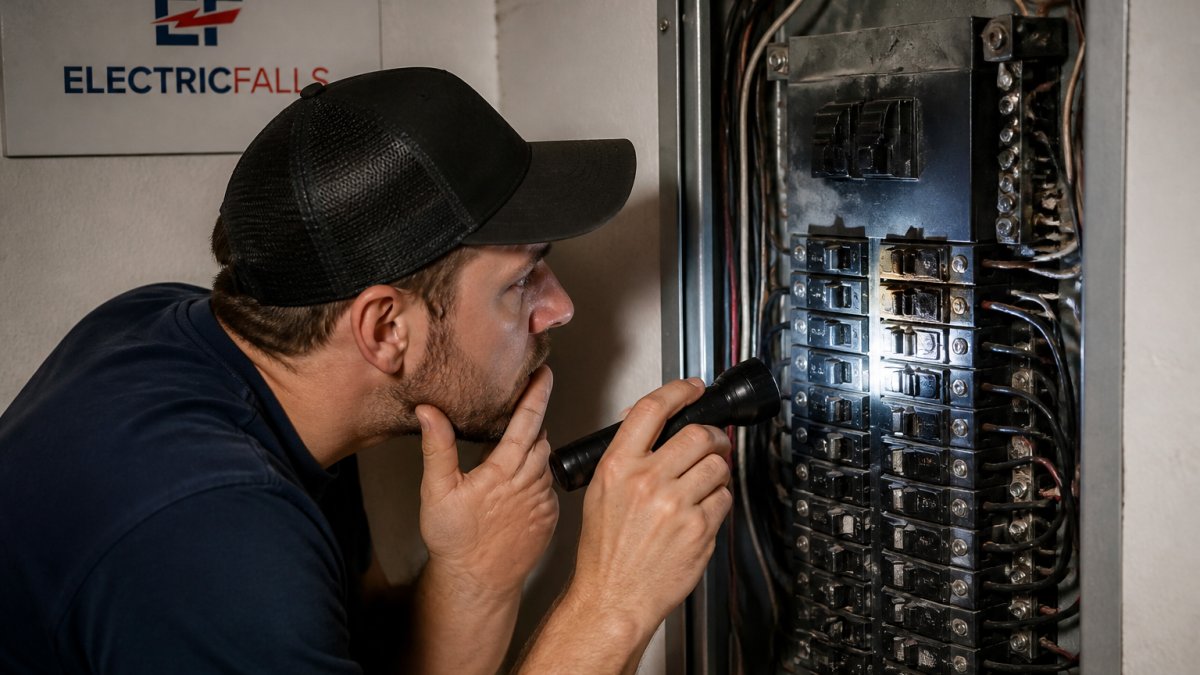
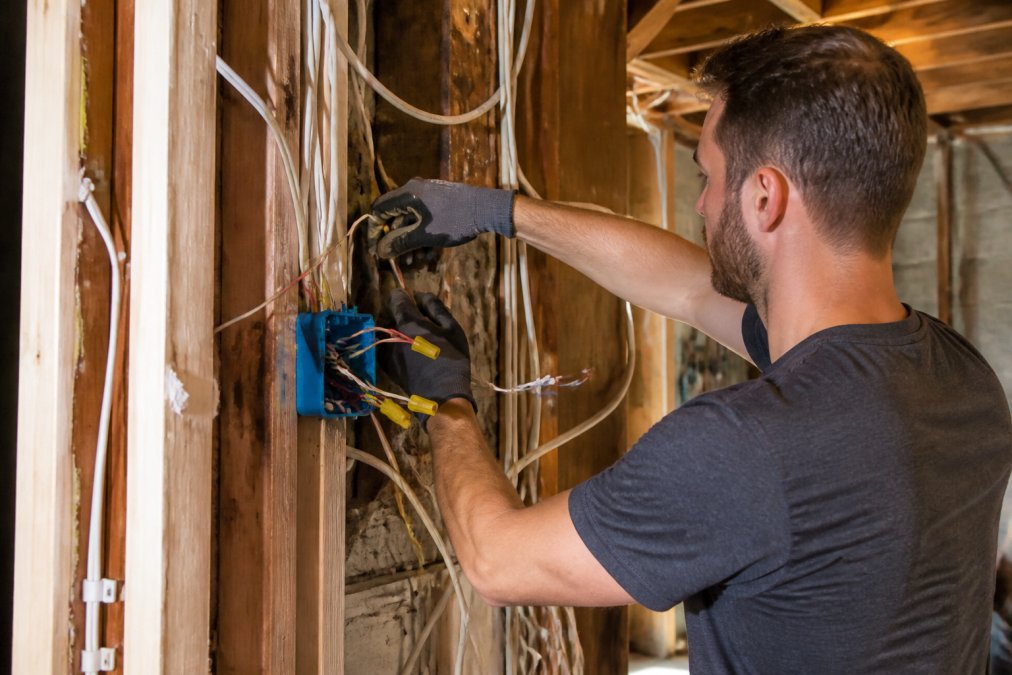
Improper wire sizing and routing creates fire hazards. Wire must be properly sized for its circuit and protected from damage. Exposed or undersized wiring in attics, basements, or crawl spaces is dangerous. A licensed contractor ensures all wiring meets code.
Licensed electrical contractors handle many residential services. Common services address aging systems, safety upgrades, and modern conveniences.
Whole-home rewiring is often necessary in older houses. Homes built before 1980 with original wiring may have outdated insulation, undersized conductors, or degraded materials. Rewiring replaces old wire with modern copper conductors that meet code and handle today's demands.
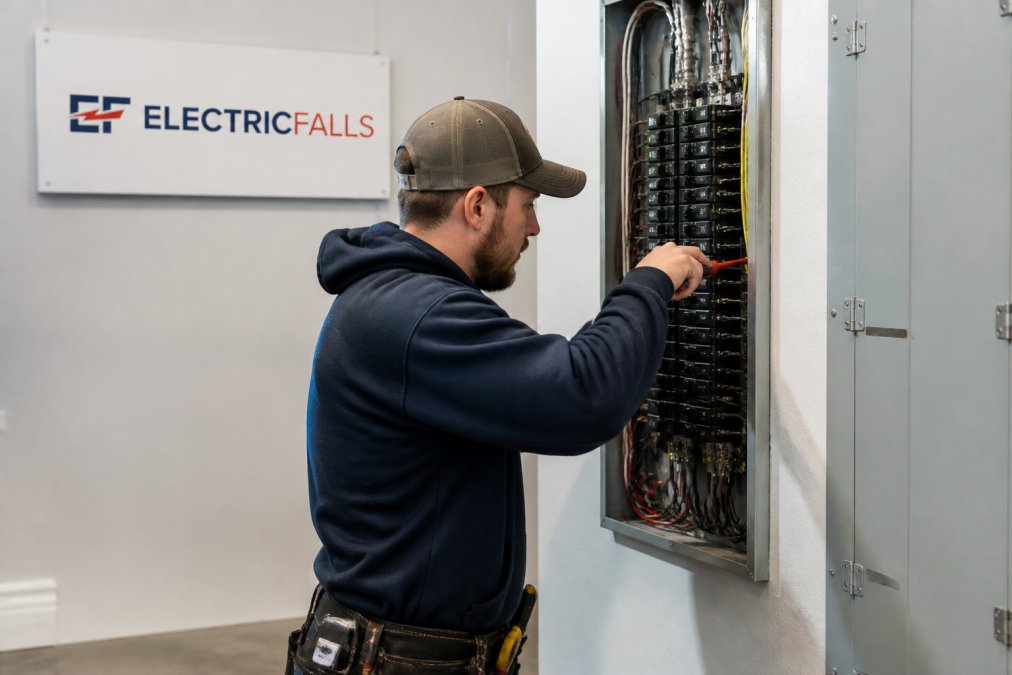
Electrical panel upgrades increase amperage capacity. Most older homes have 100-amp service, barely adequate for modern use. Upgrading to 150 or 200 amps lets you run multiple high-demand appliances without tripping breakers, important for renovations, EV chargers, or heat pump systems.
Dedicated circuits for specific appliances ensure consistent, safe power. A licensed contractor runs properly sized wiring, installs appropriate breakers, and ensures code compliance, preventing shared circuits from overloading.
When planning a kitchen or bathroom remodel, involve a licensed electrical contractor early. This ensures proper outlet placement, adequate circuits, and code-compliant installations.
During a remodel, you'll need new outlets, switches, lighting, and possibly upgraded circuits. A contractor plans the electrical layout, handles permits, and ensures inspections pass.
One common objection we hear is concern about cost and whether electrical work is really necessary. The answer is yes, cutting corners on electrical work during a remodel creates safety hazards and reduces your home's value. Buyers and inspectors expect remodeled spaces to have modern, code-compliant electrical systems. A licensed contractor ensures your investment is protected.
When you plan electrical work alongside your other renovations, the whole project flows better and the results are safer and more functional.
A professional electrical safety inspection identifies hazards you might not notice and ensures your home meets current code standards. But before you schedule one, it helps to know whether your home actually needs an inspection and what warning signs should prompt you to call a professional.
When You Should Get an Electrical Inspection
Certain situations make an inspection essential:
Warning Signs You Should Not Ignore
These are red flags that indicate a problem exists:
What Happens During a Professional Inspection
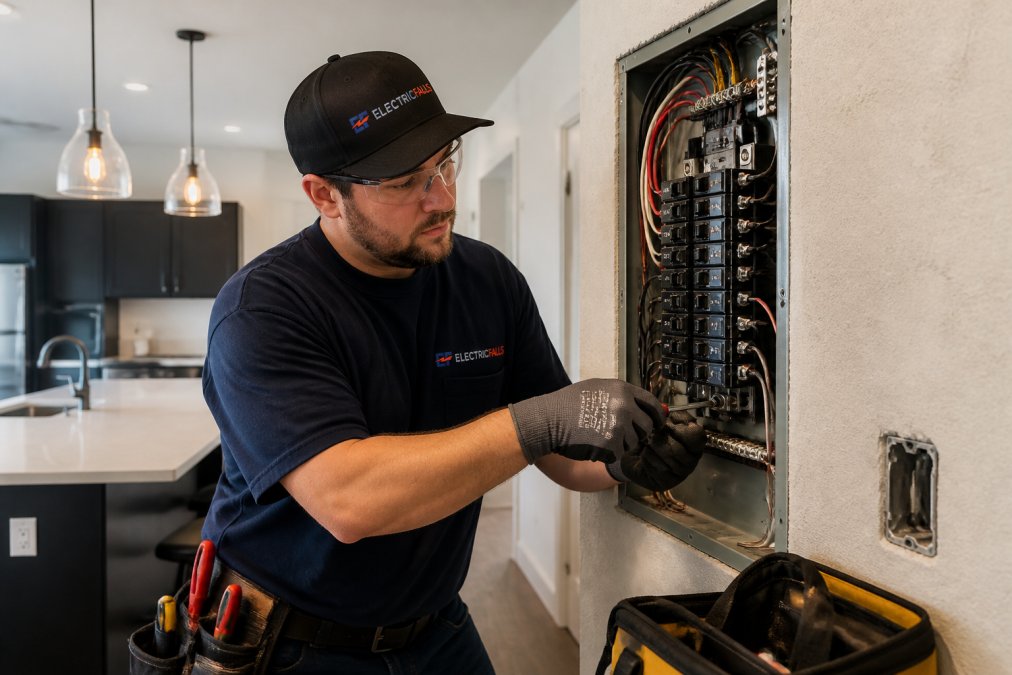
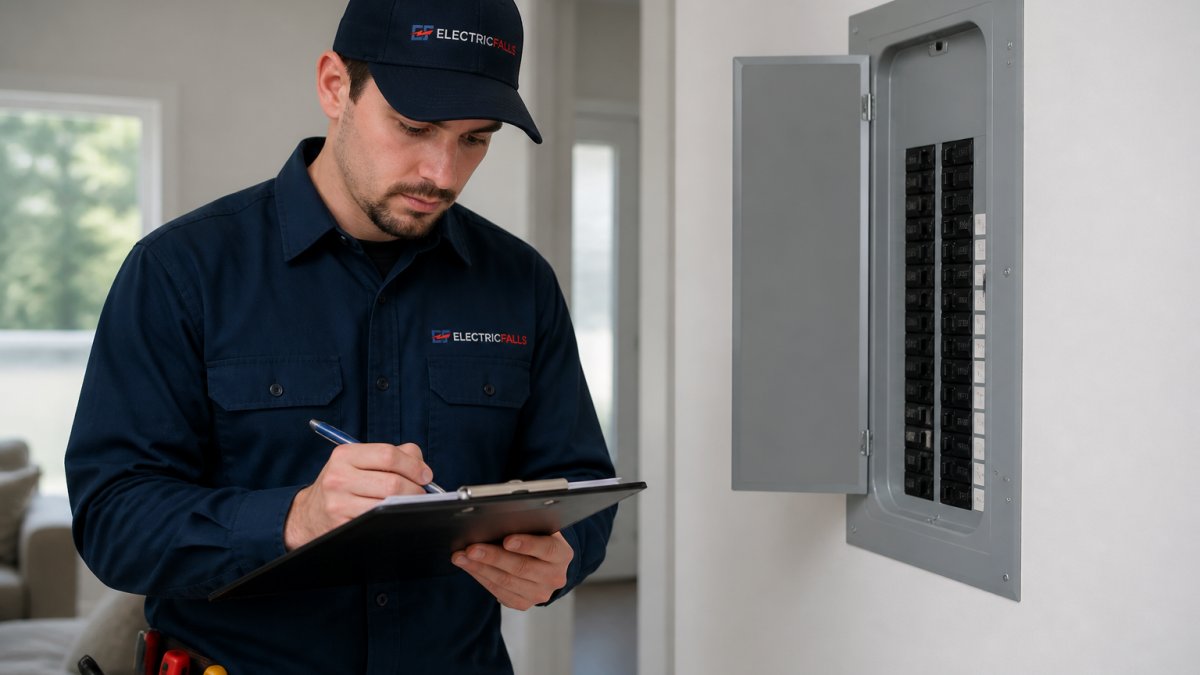
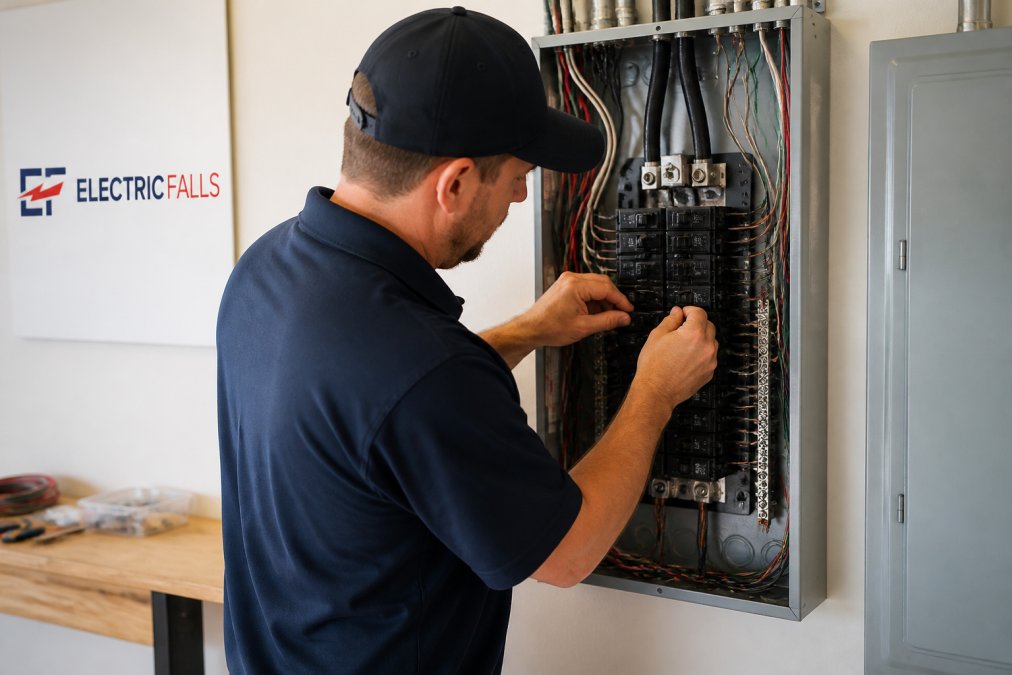
During an inspection, a licensed electrician examines your panel, wiring, outlets, switches, grounding systems, and appliance connections.
When you hire a licensed electrical contractor, the process should be straightforward and professional. Knowing what to expect helps you feel confident in your decision and ensures the job runs smoothly.
Yes. Idaho requires electricians to be licensed through the Division of Building Safety. Licensed electrical contractors must pass exams demonstrating knowledge of electrical code, safety practices, and industry standards. This protects homeowners by ensuring work meets local building codes and is performed safely. When hiring a licensed electrical contractor, you gain assurance that the work is backed by professional credentials and accountability.
Contact the Idaho Division of Building Safety or visit their online license lookup system to verify active licensing status. Ask the contractor directly for their license number and journeyman or master electrician credentials. Licensed professionals should provide proof without hesitation. Request references from past residential projects and confirm their insurance coverage. This verification step protects you from unlicensed work and ensures compliance with local building codes.
Verify licensing and insurance first. Ask about experience with projects similar to yours, whether kitchen rewiring, bathroom updates, or panel upgrades. Licensed electrical contractors should explain how they'll handle permits and inspections. Request a detailed estimate and timeline. Ask how they'll minimize disruption to your home. Check references from past residential work. A qualified professional will communicate clearly about what needs to be done and why, helping you avoid unnecessary work or code violations.
Common violations include improper grounding, outdated wiring in older homes, insufficient outlets in kitchens and bathrooms, missing GFCI protection in wet areas, and overloaded circuits. Aluminum wiring in homes from the 1960s-1970s poses fire risks. Reversed polarity and improper wire gauges also create safety hazards. Licensed electrical contractors know these violations and address them during inspections or rewiring projects. Addressing code violations protects your home from electrical fires, shocks, and equipment damage, and ensures your property meets current safety standards.

What an excellent experience! I highly recommend this company! from first contact, through quoting, modifications to scope, ordering materials, installation and follow through, there was not a single minute that I didn't know exactly what was going on. The communication, product and service were all impeccable. A+

Gerry T.


Dustin came over to our house and helped us hook up a hot tub. His quote was well below others that we had come over and he was super easy to work with. I would recommend electric falls to anyone who needs a great electrician at an affordable cost!

Hailey W.
These guys are awesome. More than fair pricing, punctual and professional! Highly recommend!

Jim C.
Quick response and fixed the problem efficiently. Would use him again with any needs.

Christine P.
We had a great experience with Electric Falls. We had a need to replace an old fuse box with a breaker box. Dustin was quick to respond, was reasonable in his quote, and did exceptional work. We were pleased with his coordination with us and with Idaho Falls Power. He performed the work when he said he would do it and completed the work within the timeframe that was estimated. Overall, we are extremely satisfied with Electric Falls and will be calling on them again for future needs.

Paul M.
I can not say enough good things about these guys. They got to me so quickly, were incredibly nice, and handled my problem right away. 10/10 would recommend

Whitney P.
Dustin is everything you wish for in every small business owner! He went above and beyond right out of the gate by coming by to do my quote in the evening when he was leaving for a long weekend the next morning. He explained everything about the quote. Price was fair for work being done. He and Cameron showed up as promised and did quick, quality work. Highly recommend!

Robert N.
Dustin was professional from bid thru install of our emergency home generator. In the future I'm going to call for a bid to do the electrical install in our unfinished basement. I'm thinking I don't want you to know about him because he will become too busy to help me. But, go ahead and do with this review as you will but I'm keeping his name at the top of my contacts list. :-)

Korky F.
We had Dustin from Electric Falls come out and install the wiring for a hot tub as well as install a whole home surge protector. Dustin was awesome. He was super informative and got us all set up right away. We are so thrilled that we found a great and reliable electrician. His workers were awesome as well. They were very helpful.

Todd R.
Wonderful customer service and very professional yet personable technicians.
Said what they would do and for how much and they did it
Thank you for all your work

Earl L.
Quick and Efficient! Was able to find the problem and get it all taken care of within the same day so we had our power and utilities working properly again.

Abigail J.
We had Electric Falls run some electricity to our newly built shed. It required trenching the yard to bury some of the lines. They did an awesome job! They were right on time and cleaned everything up. The end price was the exact amount quoted! We will be calling on them again!

Steve C.
Dude was the best, mega polite, answered literally every question we possible had. Pricing was fair and straightforward. He came right away and got out power back up.

Alex M.
What a great job! Electric Falls were professional, quick, knowledgeable and kind. It’s was my first project with them and I will have many more to come. They will be my first choice all things electrical from here on out. Keree 💝❤️🙏

Keree A.
Great to work with! Very knowledgeable, great at explaining the issue, and got the job done fast!

Ryan S.
Dustin was at our home this morning to repair several light issues. He was here on time, got the job done quickly and made several helpful suggestions for upgrades in our home as it is over 40 years old. Very professional and knowledgeable. Will use again.

Dennis B.
These folks worked with me on a very short timeline, even did the job on Sunday. Price was explained in detail and was very reasonable. They went above and beyond to take care of me. I would highly recommend them for any of your electrical or generator needs.

AC
Great service and a good recommendation to solve my problem!

Andy E.
Great friendly, professional, and local service. Prompt scheduling and arrived as promised! Diagnosed my electrical problem quickly and resolved the issue for a fair price.

David S.
Electric falls responded quickly and they worked with me to get my house in much better shape. Dustin was very knowledgeable, the cost for the services were reasonable and he finished everything very quickly.

Katrina S.
Great Service!

Richard J.
Dustin and Cameron came to look and see what they needed to hook up our garbage disposal, and within 30 minutes they had put in a new outlet and hooked up the disposal to a switch. Very kind and respectful gentleman who make electrical problems a breeze for a fair price.

Marissa H.
Super fast and very friendly!

Mackenzie J.
They are very good to work with. Always called to let me know exactly when they were coming. Came on time and finished earlier than expected.

Laura M.
Dustin was recommended to me and within a few hours of calling him he was out to my house in Shelley and fixed the issue. The cost was fair and Dustin was so kind and professional. He was able to work with my schedule and even let me know when he was on his way. Highly recommend if you are in need of an electrician.

Jenna H.
Highly recommend these guys. Cameron and Dustin were fast and efficient and answered all our questions we installed a home surge protector because recently the power went out and blew our furnace.

McKinzi M.
This company is amazing! Very professional and great to work with. I would highly recommend them to anyone.

Justin R.
Very personable service. We had a couple of light fixtures changed out to ceiling fans, had a fan installed in a bathroom and a few other light switch modifications done and the work was very good! And they cleaned up any mess well! Would recommend using them.

Susan M.
Dustin was great to work with. Their pricing was fair, they were great to communicate with, and they were prompt to get the work done with a schedule that worked great for me.

Kelly S.
Highly recommend Electric falls, they came out next day, gave us a couple of options with what works in our price range, and got us squared away extremely fast. We will definetly be calling them again very soon for some future needs. Thank you for everything.

Casey D.
Communicated very well. Friendly and easy going. He worked with my schedule. Lead time was only a couple of weeks. I look forward to using his service on the next step of my project.

Andrew M.
Dustin solved our electrical problems with one call. His response was quick and the cost was reasonable. We're very satisfied.

Frank W.
Since I used to DO this work and medically can’t do it myself, it gives me great pleasure to say that ElectricFalls.com will give you the same professional, ethical and proper service to you when you need electrical work done that they gave me. And will give me in my next project.No job too big or too small, all you need to do is ASK.

Carol B.
We had an electrical issue with a heater in our downstairs toy room. We called Dustin Thurman of Electric Falls, and he came out that same day; he was able to diagnose the problem and fix it quickly and completely. He explained what he thought was probably the problem, and it turned out to be exactly that. He was courteous and professional, explained everything to us, including how to avoid the problem in the future, and we would not hesitate to call Dustin again for any electrical problem. We would highly recommend him to friends and family.

Gail I.
This was a great experience! We called around and didn't get call backs from anyone. We needed a EV charger installed. Electrical Falls answered immediately made it out to our home for a quote within an hour. We agreed on a honest and fair price. Install was done properly and within a time frame that worked perfect for us! Thank you Electric falls you will be our first call in the future and will be highly recommended!

Marcelino S.
Electric Falls was prior in getting back to me and did a quick great job with my electrical needs. Very friendly and really well priced!

Zoey C.
Excellent work and cleans up after the work as well! Plus, Dustin was on time, courteous and friendly. I would have them do more work for me anytime I need it.

Mary Ann C.
Dustin with Electric Falls was absolutely amazing to work with. He answered all our electrical questions while buying a home, and then helped us fix them after closing. His flexibility and kindness made him super easy to work with. I would recommend him for any job, and we will be utilizing him for future projects on our new home. Such a great experience!!
.svg)
Danielle S.
Dustin has helped us with several electrical jobs and knocks it out of the park every time. He is efficient, professional, friendly, and cleans up after he's done – not many do this these days! If and when we need more work done we will never hesitate to call Dustin at Electric Falls. Thanks

Madeline
Prompt, efficient, knowledgeable, tidy, honest, friendly, reasonable rates. After all the electricians we have tried, Dustin at Electric Falls is by far the best in every way. I will never call anyone else ever again for our electric needs.
.svg)
Debbie H.
Dustin is very responsive, he's a great communicator, and he is reasonably priced. I have hired him for four separate jobs in the last four months, and I plan to hire him for more jobs in the future.

Russell P.
Dustin is great to work with and very fast. He squeezed me in very quickly and worked quickly and efficiently until it was done. Also reasonably priced. I would highly recommend Electric Falls
.png)
Rachael J.
Dustin jumped in and took amazing care of us on short notice! He was able to squeeze us in and took care of business quickly and efficiently without overcharging. We are so appreciative of the work he did! If you ever need a great electrician to help you with your home, whether a new build or a place you’ve been in for years, Dustin is your guy! Give him a call; you won’t be disappointed!!!
.svg)
Jarod P.
Dustin has great customer service and is a knowledgeable electrician. He fixed our wall heater, installed a ceiling fan, and corrected some crossed wires on a two-way switch. He also checked out some outlets I had concerns with. He was friendly and professional. I highly recommend.

Amanda G.
Electric Falls is professional,friendly, and fair priced! We will definitely be using them for all our electrical needs in the future.
.svg)
Chandler L.
Great company to work with for any electrical needs you have. On time, professional, fair pricing and very knowledgeable. We will definitely use them again!!
.svg)
Heather K.
If you're looking for a competent, courteous, and thorough electrician, look no further. Dustin definitely exceeded all of our expectations!
.png)
Mike G.
Very knowledgeable and professional. Would recommend to others.
.png)
Trena T.
Dustin was very pleasant and did an excellent job
.svg)
Robert T.
Dustin does excellent work!! Quick, efficient. Very flexible!!
.svg)
Lance L.
Very knowledgeable and professional service. I will be using him again and will definitely recommend him to others.
.png)
Donna T.
Dustin is professional, timely, and friendly.
.svg)
DJ D.
They were prompt and did a good job.
.svg)
Wood F.
Outstanding service, not waiting, answers inquiries fast and to the point.
.png)
Rubi F.
Very happy with their work.
.png)
Glenn W.
We lost all Power at the last outage. It fried our panel and breakers. We also lost a thermostat. He replaced all of that plus put a surge protector so we wouldn't have that problem again. He was very professional and explained things very well along with price before doing anything. I would definitely use them again for electrical problems. I trust them and so can you.
.svg)
Bonnie M.
Thank you!
Positive Quality, Professionalism
.png)
Cody F.
Fan installation, Light fixture repair, Electrical outlet & switch installation
.png)
Darin T.

© Electric Falls. All Rights Reserved.
Welcome to Electric Falls, where our commitment to excellence in electrical services has been illuminating the Southeast Idaho community for several years.


.svg)







.png)
.png)
.png)
.png)