Last Updated: November 4, 2026
Quick Summary
Commercial electrical maintenance is the scheduled inspection, testing, and repair of the wiring, panels, and equipment that keep a business running. A planned program catches small faults early, before they become outages, fire risks, or equipment losses. Most businesses only notice their electrical system when something fails, and by then the cost is usually higher.
Commercial electrical maintenance is the scheduled inspection, testing, and repair of the wiring, panels, and equipment that keep a business running. Most businesses only notice their electrical system when something fails, and by then the cost is usually higher than it needed to be.
A warm breaker, a flickering light, or a panel that runs hot is easy to ignore until it takes a shift's worth of production offline. Maintenance shifts that dynamic from reactive firefighting to planned work you can schedule around your operating hours.
The stakes are real. The National Fire Protection Association's electrical fire statistics show that electrical distribution and equipment remain a leading cause of structure fires, which is why routine inspection is tied so closely to insurance and code compliance.
Maintenance also protects the equipment you rely on. Overloaded circuits, loose connections, and failing breakers stress motors, controls, and sensitive electronics. Catching those problems early extends equipment life and reduces emergency repair bills.
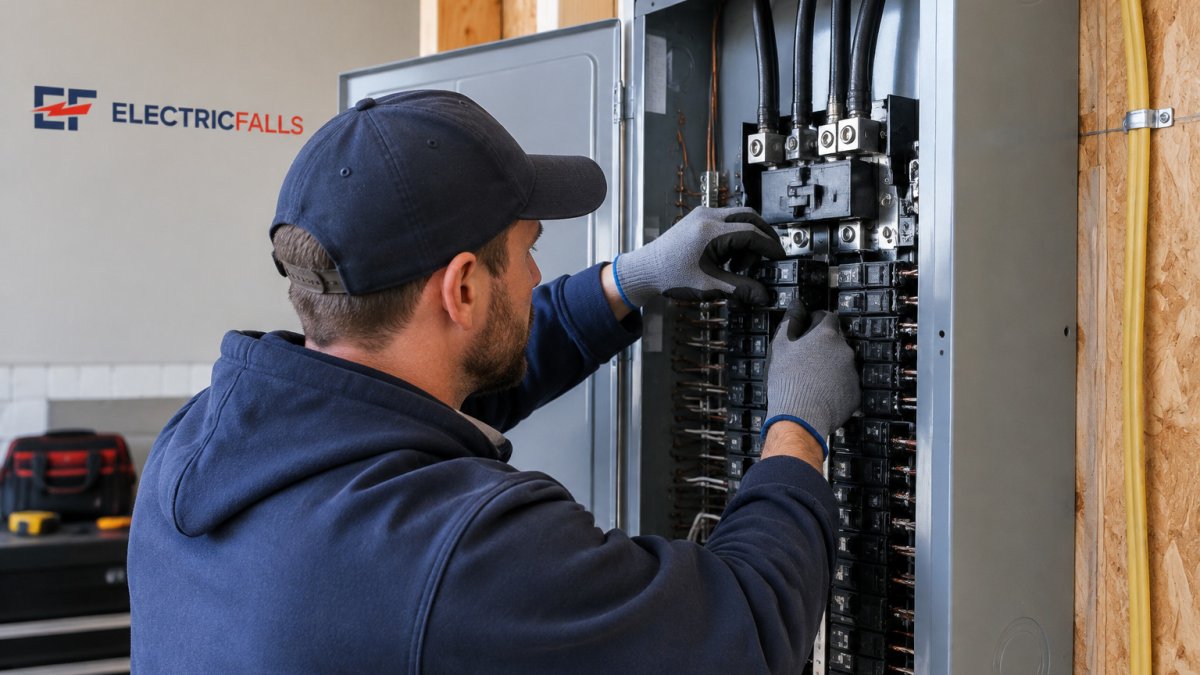
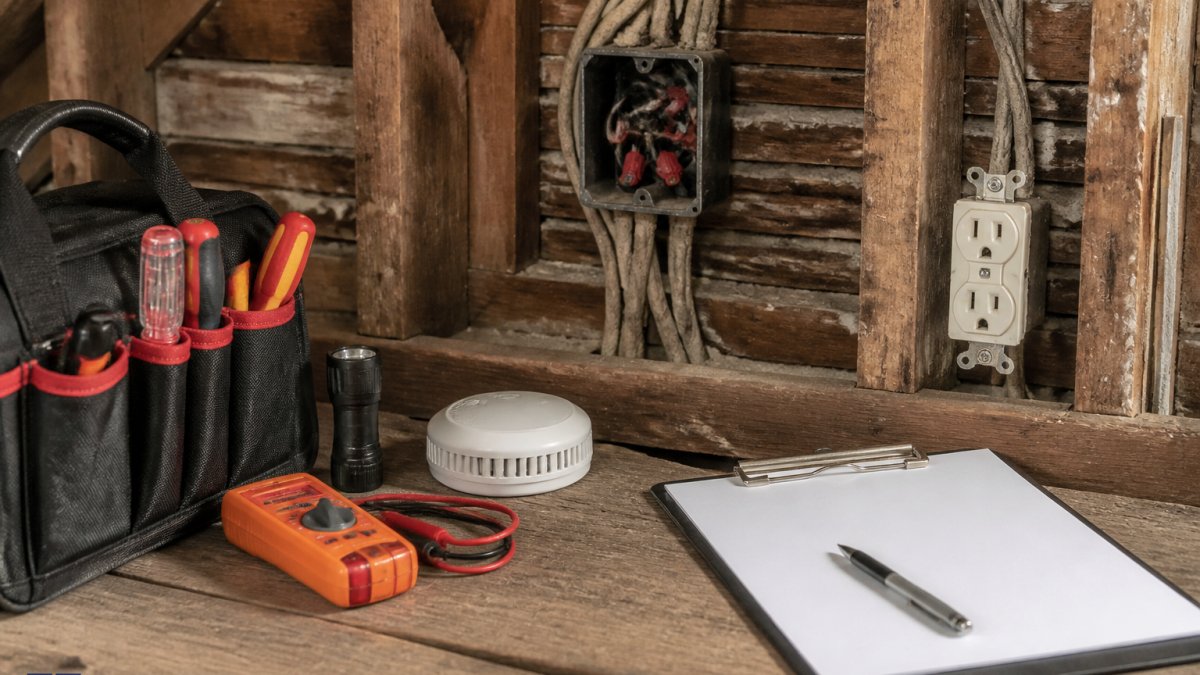
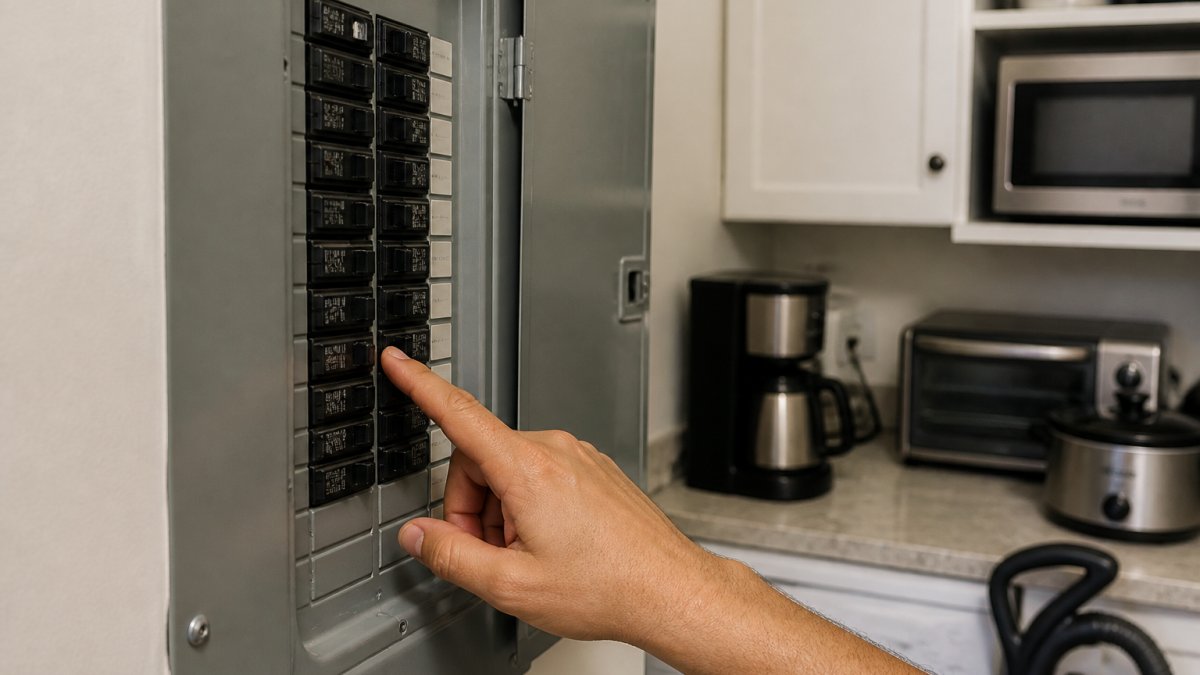
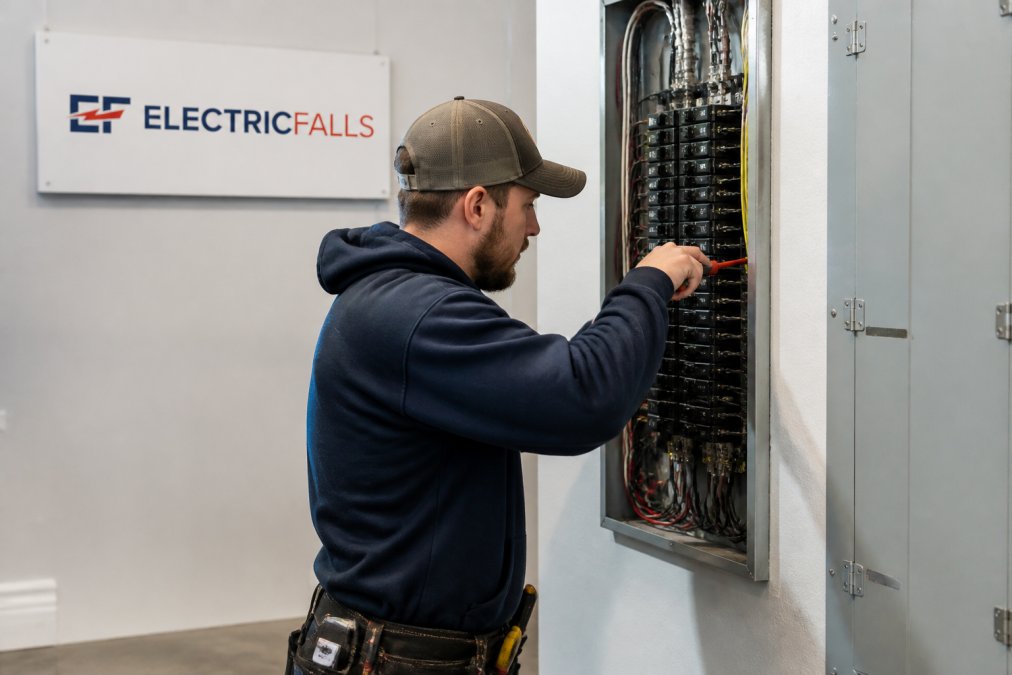
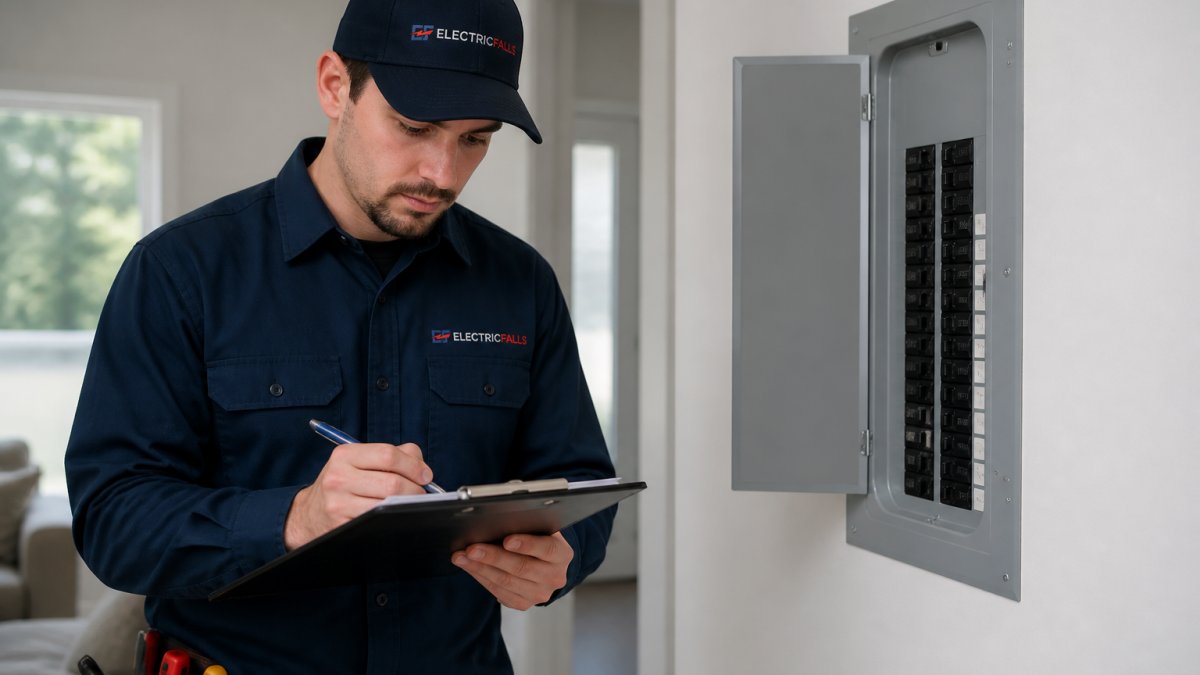
A complete program covers more than a visual walkthrough. It typically includes inspecting the service entrance and main distribution panels, checking breakers and fuses for wear or heat damage, testing grounding and bonding, verifying that connections are tight, and reviewing lighting and receptacle circuits for signs of overload. You can explore the full range of electrical services we offer.
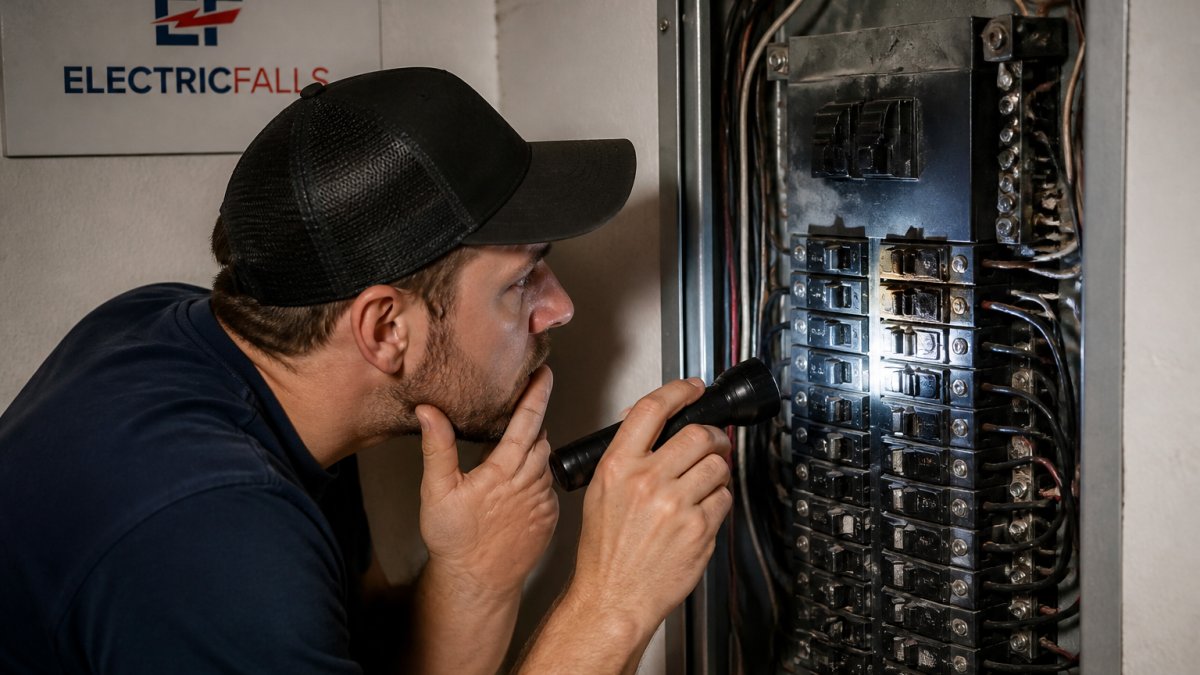
Thermal imaging is one of the most useful tools in this process. The OSHA guidance on electrical safety in the workplace also governs how this work should be performed safely, including lockout/tagout procedures during repairs.
Preventive work often overlaps with troubleshooting. When a technician finds a problem during an inspection, the repair can usually be scheduled before it affects operations, which is the main advantage of planned maintenance over emergency calls.
A sensible schedule depends on how the building is used, how much load it carries, and how critical its operations are. The table below is a general starting point for a licensed electrician to adjust based on your equipment and facility conditions. Intervals are expressed in months between service visits; "visual" means a qualified person's walkthrough, while "test" means instrumented inspection by a licensed electrician.
Retail and office spaces typically benefit from an annual full inspection with quarterly visual checks of lighting, receptacles, and panel covers. Focus on high-traffic areas, point-of-sale circuits, and server or network closets, where a single fault can halt daily operations. Seasonal load changes matter here: a tenant build-out or a new HVAC unit can push a panel past its original design, so review load readings after any major equipment change rather than waiting for the next annual visit.
Kitchens combine heat, moisture, and grease with heavy receptacle use, which accelerates wear on connections and breakers. A common pattern is an annual full inspection with a mid-year thermal scan of kitchen panels and disconnects, plus GFCI testing at the intervals the manufacturer specifies. Hood and exhaust equipment often has its own electrical components that should be on the same schedule as the kitchen circuits that feed them.
Industrial facilities carry heavier loads from motors, drives, and process equipment, so schedules are usually tighter. Many operations use semi-annual thermal scans of motor control centers and distribution panels, with more frequent checks on equipment that runs continuously or near its rated capacity. Vibration and heat are the two main enemies here, so loose lugs and degraded insulation show up first at connections; catching them at a semi-annual scan is far cheaper than a mid-shift failure.
Multifamily and hospitality properties have many small loads spread across units, plus life-safety systems that cannot fail quietly. Annual panel and receptacle inspections with monthly emergency lighting tests are a common baseline, and common-area panels deserve the same attention as unit panels because a fault there can take out elevators, fire alarms, or access control.
Warehouses and agricultural buildings often have long runs, dust, and moisture, and equipment that sits idle for part of the year. An annual inspection before the busy season, plus a check after any extended shutdown, catches rodent damage, corrosion, and loose connections before they cause a failure during peak use.
Watch out: an interval that is right for one building can be wrong for another on the same site. A panel that carries a continuous load near its rating needs a shorter interval than the table suggests, and a facility that has added equipment since the last inspection should be re-baselined rather than kept on the old calendar.
Use this checklist as a starting point for your inspection walkthrough:

Several warning signs should prompt an immediate inspection rather than waiting for the next scheduled visit. Breakers that trip repeatedly, lights that dim when equipment starts, a burning smell, buzzing panels, outlets or switches that feel warm, and discolored or scorched covers all point to a developing fault.
Treat these symptoms as urgent. Burning odors, visible scorching, or sparking should prompt you to shut off the affected circuit where it is safe to do so and call a licensed electrician right away. For immediate help, see our emergency electrical services page.
Keep panels and disconnects clear of storage, and maintain the working space required around electrical equipment. Never allow unauthorized staff to open panels, and make sure only qualified personnel perform electrical work.
Label circuits and panels accurately so technicians can isolate problems quickly. Keep a current single-line diagram on file, and update it after every modification. Train staff to recognize warning signs and to report them promptly rather than working around them.
Effective maintenance depends on records that a technician can actually use, not a folder of invoices.
Asset management starts with labeling. Give every panel, disconnect, motor control center, and generator a unique identifier that matches the label on the equipment and the entry in your log.
Documentation also supports compliance and insurance.
Budget for maintenance as a recurring operating expense rather than an emergency reserve.
Outage planning matters just as much. Identify which circuits support life safety systems, refrigeration, network equipment, and production lines, and determine how long each can tolerate interruption.
Write the plan down and keep a copy off-site. The plan should list who to call, which circuits to shed first, where the disconnects are, and how to reach the utility.
Watch out: documentation that lives only in a technician's truck or a single manager's inbox disappears when that person leaves.
A good maintenance program starts with a professional assessment of your current system. Electric Falls serves homeowners and businesses across Southeast Idaho, and our licensed, insured team can help plan maintenance for your equipment. Visit our website to request service or review our full range of electrical services.
Commercial electrical maintenance covers routine inspection, testing and servicing of the systems that power a building. This typically includes checking electrical panels and circuit breakers, tightening connections, inspecting wiring and outlets, testing lighting systems, reviewing equipment loads and looking for signs of overheating or wear. Many facilities also include infrared or thermal inspections to find hot spots before they cause failures. A maintenance program usually combines scheduled visits with documented findings and prompt repairs, so small issues are corrected before they lead to downtime or safety hazards.
Most businesses schedule electrical maintenance at least once a year, with more frequent inspections for facilities that run heavy equipment, operate around the clock or have a history of problems. Retail and office buildings often follow an annual schedule, while industrial and manufacturing sites may inspect panels and critical equipment every six months or quarterly. The right interval depends on equipment age, load levels, environmental conditions and the consequences of an outage, so review your schedule with a licensed electrician as your facility changes.
Facility staff can handle basic tasks such as visually checking for damaged cords, noting flickering lights, keeping panel areas clear and logging any unusual smells or warm surfaces. Work inside panels, repairs to wiring, and testing of energized equipment should be performed by a licensed electrician. Qualified professionals carry the training, testing equipment and insurance needed to work safely, and their documented inspections are useful for insurance, facility records and code compliance.
Common warning signs include breakers that trip repeatedly, lights that dim or flicker when equipment starts, outlets or switches that feel warm, burning odors, buzzing from panels, discolored outlet covers and circuits that serve too many devices. Frequent power interruptions and equipment that performs poorly can also point to an overloaded or failing system. Address these symptoms promptly, because early fault detection costs far less than emergency repairs after an outage or fire.
Preventive maintenance reduces the risk of electrical fires, equipment damage and unplanned shutdowns. Loose connections and overheating components tend to worsen gradually, and routine inspections catch them early. Regular maintenance also supports system reliability, helps equipment run efficiently and can extend the working life of panels, wiring and fixtures. For many businesses, avoiding a single day of downtime is worth more than the cost of a scheduled inspection.
A thorough commercial inspection covers the main service and distribution panels, breakers and their labeling, grounding and bonding, wiring condition, outlets and switches, lighting systems, emergency and exit lighting, and connections to major equipment. The electrician should test key circuits, check for overloaded or undersized conductors, look for heat signatures, and review any changes made since the last visit. A written report listing findings and recommended repairs is essential for planning and record keeping.
Gather your facility's electrical drawings, previous inspection reports and a list of recent issues, such as tripped breakers or equipment failures. Make sure electrical rooms and panels are accessible and clear of stored materials. Notify tenants or staff about any planned shutdowns, and identify critical systems that need advance coordination, such as refrigeration, server equipment or production lines. Preparation shortens the visit and helps the electrician focus on the areas that matter most to your operations.
Get a Quote
 Add electricfalls.com as a preferred source on Google →

What an excellent experience! I highly recommend this company! from first contact, through quoting, modifications to scope, ordering materials, installation and follow through, there was not a single minute that I didn't know exactly what was going on. The communication, product and service were all impeccable. A+

Gerry T.


Dustin came over to our house and helped us hook up a hot tub. His quote was well below others that we had come over and he was super easy to work with. I would recommend electric falls to anyone who needs a great electrician at an affordable cost!

Hailey W.
These guys are awesome. More than fair pricing, punctual and professional! Highly recommend!

Jim C.
Quick response and fixed the problem efficiently. Would use him again with any needs.

Christine P.
We had a great experience with Electric Falls. We had a need to replace an old fuse box with a breaker box. Dustin was quick to respond, was reasonable in his quote, and did exceptional work. We were pleased with his coordination with us and with Idaho Falls Power. He performed the work when he said he would do it and completed the work within the timeframe that was estimated. Overall, we are extremely satisfied with Electric Falls and will be calling on them again for future needs.

Paul M.
I can not say enough good things about these guys. They got to me so quickly, were incredibly nice, and handled my problem right away. 10/10 would recommend

Whitney P.
Dustin is everything you wish for in every small business owner! He went above and beyond right out of the gate by coming by to do my quote in the evening when he was leaving for a long weekend the next morning. He explained everything about the quote. Price was fair for work being done. He and Cameron showed up as promised and did quick, quality work. Highly recommend!

Robert N.
Dustin was professional from bid thru install of our emergency home generator. In the future I'm going to call for a bid to do the electrical install in our unfinished basement. I'm thinking I don't want you to know about him because he will become too busy to help me. But, go ahead and do with this review as you will but I'm keeping his name at the top of my contacts list. :-)

Korky F.
We had Dustin from Electric Falls come out and install the wiring for a hot tub as well as install a whole home surge protector. Dustin was awesome. He was super informative and got us all set up right away. We are so thrilled that we found a great and reliable electrician. His workers were awesome as well. They were very helpful.

Todd R.
Wonderful customer service and very professional yet personable technicians.
Said what they would do and for how much and they did it
Thank you for all your work

Earl L.
Quick and Efficient! Was able to find the problem and get it all taken care of within the same day so we had our power and utilities working properly again.

Abigail J.
We had Electric Falls run some electricity to our newly built shed. It required trenching the yard to bury some of the lines. They did an awesome job! They were right on time and cleaned everything up. The end price was the exact amount quoted! We will be calling on them again!

Steve C.
Dude was the best, mega polite, answered literally every question we possible had. Pricing was fair and straightforward. He came right away and got out power back up.

Alex M.
What a great job! Electric Falls were professional, quick, knowledgeable and kind. It’s was my first project with them and I will have many more to come. They will be my first choice all things electrical from here on out. Keree 💝❤️🙏

Keree A.
Great to work with! Very knowledgeable, great at explaining the issue, and got the job done fast!

Ryan S.
Dustin was at our home this morning to repair several light issues. He was here on time, got the job done quickly and made several helpful suggestions for upgrades in our home as it is over 40 years old. Very professional and knowledgeable. Will use again.

Dennis B.
These folks worked with me on a very short timeline, even did the job on Sunday. Price was explained in detail and was very reasonable. They went above and beyond to take care of me. I would highly recommend them for any of your electrical or generator needs.

AC
Great service and a good recommendation to solve my problem!

Andy E.
Great friendly, professional, and local service. Prompt scheduling and arrived as promised! Diagnosed my electrical problem quickly and resolved the issue for a fair price.

David S.
Electric falls responded quickly and they worked with me to get my house in much better shape. Dustin was very knowledgeable, the cost for the services were reasonable and he finished everything very quickly.

Katrina S.
Great Service!

Richard J.
Dustin and Cameron came to look and see what they needed to hook up our garbage disposal, and within 30 minutes they had put in a new outlet and hooked up the disposal to a switch. Very kind and respectful gentleman who make electrical problems a breeze for a fair price.

Marissa H.
Super fast and very friendly!

Mackenzie J.
They are very good to work with. Always called to let me know exactly when they were coming. Came on time and finished earlier than expected.

Laura M.
Dustin was recommended to me and within a few hours of calling him he was out to my house in Shelley and fixed the issue. The cost was fair and Dustin was so kind and professional. He was able to work with my schedule and even let me know when he was on his way. Highly recommend if you are in need of an electrician.

Jenna H.
Highly recommend these guys. Cameron and Dustin were fast and efficient and answered all our questions we installed a home surge protector because recently the power went out and blew our furnace.

McKinzi M.
This company is amazing! Very professional and great to work with. I would highly recommend them to anyone.

Justin R.
Very personable service. We had a couple of light fixtures changed out to ceiling fans, had a fan installed in a bathroom and a few other light switch modifications done and the work was very good! And they cleaned up any mess well! Would recommend using them.

Susan M.
Dustin was great to work with. Their pricing was fair, they were great to communicate with, and they were prompt to get the work done with a schedule that worked great for me.

Kelly S.
Highly recommend Electric falls, they came out next day, gave us a couple of options with what works in our price range, and got us squared away extremely fast. We will definetly be calling them again very soon for some future needs. Thank you for everything.

Casey D.
Communicated very well. Friendly and easy going. He worked with my schedule. Lead time was only a couple of weeks. I look forward to using his service on the next step of my project.

Andrew M.
Dustin solved our electrical problems with one call. His response was quick and the cost was reasonable. We're very satisfied.

Frank W.
Since I used to DO this work and medically can’t do it myself, it gives me great pleasure to say that ElectricFalls.com will give you the same professional, ethical and proper service to you when you need electrical work done that they gave me. And will give me in my next project.No job too big or too small, all you need to do is ASK.

Carol B.
We had an electrical issue with a heater in our downstairs toy room. We called Dustin Thurman of Electric Falls, and he came out that same day; he was able to diagnose the problem and fix it quickly and completely. He explained what he thought was probably the problem, and it turned out to be exactly that. He was courteous and professional, explained everything to us, including how to avoid the problem in the future, and we would not hesitate to call Dustin again for any electrical problem. We would highly recommend him to friends and family.

Gail I.
This was a great experience! We called around and didn't get call backs from anyone. We needed a EV charger installed. Electrical Falls answered immediately made it out to our home for a quote within an hour. We agreed on a honest and fair price. Install was done properly and within a time frame that worked perfect for us! Thank you Electric falls you will be our first call in the future and will be highly recommended!

Marcelino S.
Electric Falls was prior in getting back to me and did a quick great job with my electrical needs. Very friendly and really well priced!

Zoey C.
Excellent work and cleans up after the work as well! Plus, Dustin was on time, courteous and friendly. I would have them do more work for me anytime I need it.

Mary Ann C.
Dustin with Electric Falls was absolutely amazing to work with. He answered all our electrical questions while buying a home, and then helped us fix them after closing. His flexibility and kindness made him super easy to work with. I would recommend him for any job, and we will be utilizing him for future projects on our new home. Such a great experience!!

Danielle S.
Dustin has helped us with several electrical jobs and knocks it out of the park every time. He is efficient, professional, friendly, and cleans up after he's done – not many do this these days! If and when we need more work done we will never hesitate to call Dustin at Electric Falls. Thanks

Madeline
Prompt, efficient, knowledgeable, tidy, honest, friendly, reasonable rates. After all the electricians we have tried, Dustin at Electric Falls is by far the best in every way. I will never call anyone else ever again for our electric needs.

Debbie H.
Dustin is very responsive, he's a great communicator, and he is reasonably priced. I have hired him for four separate jobs in the last four months, and I plan to hire him for more jobs in the future.

Russell P.
Dustin is great to work with and very fast. He squeezed me in very quickly and worked quickly and efficiently until it was done. Also reasonably priced. I would highly recommend Electric Falls

Rachael J.
Dustin jumped in and took amazing care of us on short notice! He was able to squeeze us in and took care of business quickly and efficiently without overcharging. We are so appreciative of the work he did! If you ever need a great electrician to help you with your home, whether a new build or a place you’ve been in for years, Dustin is your guy! Give him a call; you won’t be disappointed!!!

Jarod P.
Dustin has great customer service and is a knowledgeable electrician. He fixed our wall heater, installed a ceiling fan, and corrected some crossed wires on a two-way switch. He also checked out some outlets I had concerns with. He was friendly and professional. I highly recommend.

Amanda G.
Electric Falls is professional,friendly, and fair priced! We will definitely be using them for all our electrical needs in the future.

Chandler L.
Great company to work with for any electrical needs you have. On time, professional, fair pricing and very knowledgeable. We will definitely use them again!!

Heather K.
If you're looking for a competent, courteous, and thorough electrician, look no further. Dustin definitely exceeded all of our expectations!

Mike G.
Very knowledgeable and professional. Would recommend to others.

Trena T.
Dustin was very pleasant and did an excellent job

Robert T.
Dustin does excellent work!! Quick, efficient. Very flexible!!

Lance L.
Very knowledgeable and professional service. I will be using him again and will definitely recommend him to others.

Donna T.
Dustin is professional, timely, and friendly.

DJ D.
They were prompt and did a good job.

Wood F.
Outstanding service, not waiting, answers inquiries fast and to the point.

Rubi F.
Very happy with their work.

Glenn W.
We lost all Power at the last outage. It fried our panel and breakers. We also lost a thermostat. He replaced all of that plus put a surge protector so we wouldn't have that problem again. He was very professional and explained things very well along with price before doing anything. I would definitely use them again for electrical problems. I trust them and so can you.

Bonnie M.
Thank you!
Positive Quality, Professionalism

Cody F.
Fan installation, Light fixture repair, Electrical outlet & switch installation

Darin T.

© Electric Falls. All Rights Reserved.
Welcome to Electric Falls, where our commitment to excellence in electrical services has been illuminating the Southeast Idaho community for several years.